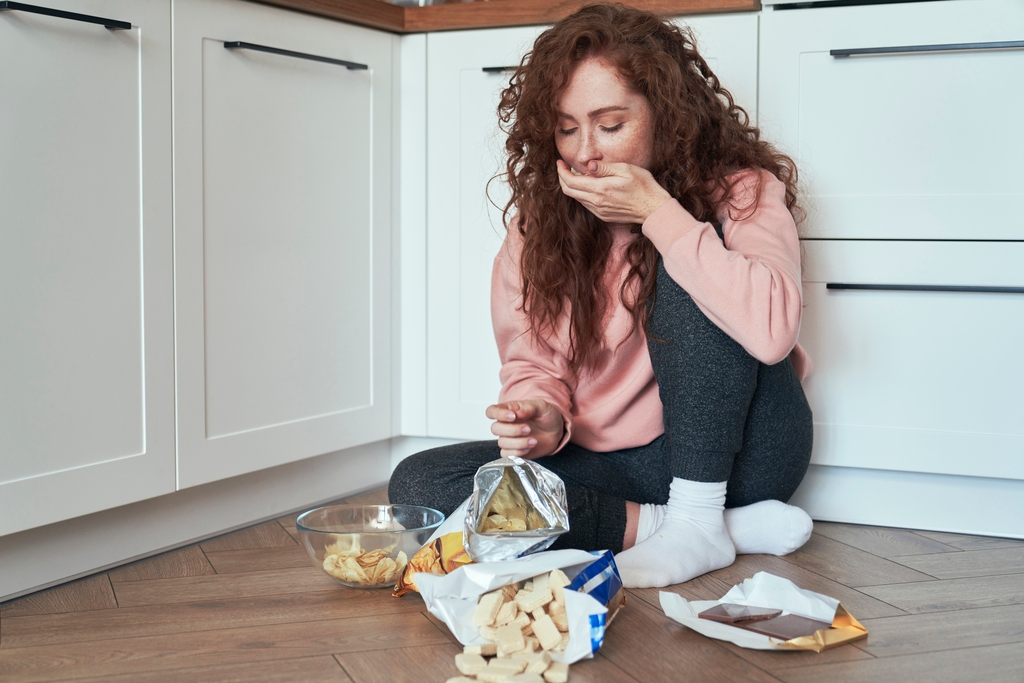

Develop healthy habits. Give yourself permission to take a break and start gently.
It’s only natural that life sometimes forces us to take a break. You’re not a robot, and your body and mind sometimes need a rest – even if that means a few days (or weeks) of rest. The science of neuroplasticity comes to the rescue here, which says that our brain has the ability to learn throughout our lives and adapt to change.
If you have developed healthy habits, Your neurons have "remembered" these behavioral patterns, even if you haven’t used them for a while. In practice, this means you’re not starting from scratch—you’re returning to something that already exists in your mind. Think of what Seneca said: “It’s not how slowly you go that matters, as long as you don’t stop.” Your progress hasn’t been erased—the fact that you rested is part of the process. Start with gentleness toward yourself and without remorse.
How to Develop Healthy Habits? Focus on Small Steps, Not Big Expectations
The hardest step is always the first one. That's why don't set yourself ambitious goals like "starting tomorrow, a 100% perfect diet and training 5 times a week". That's the best way to burn out and abandon the whole plan. Instead focus on small changes.
In the book "Atomic Habits" James Clear emphasizes that the key to lasting change is focusing on small, daily actions. The author introduces the concept of the "1% rule" - instead of trying to change everything at once, just improve something by 1% every day.
Change the narrative in your mind: “I am starting over” to “I am continuing”
Use the "habit loop" mechanism. This is how you will resume healthy habits
James Clear in Atomic Habits explains that habits consist of three elements:
1. Trigger – something that reminds you of a given habit.
2. Ritual – actual action.
3. Reward – the pleasure or satisfaction you feel after completing the ritual.
To get back to healthy habits, find new triggers or cues that remind you of what you want to do.
Make a healthy habits plan, but be flexible

If you don't have the strength to train, do some light stretching.
If you don't have time to cook, opt for quick, healthy solutions like a salad or smoothie.
The time it takes to get back into rhythm can vary – the key is to plan your actions, but not be too hard on yourself. A plan is a guide, not a rigid rule.
Remind yourself why healthy habits are important to you
James Clear writes:The best way to persevere in change is to build an identity: What I do is part of who I am.'” Instead of focusing on a goal (e.g., “I will lose 5 kg”), think of yourself as a person who leads a healthy lifestyle.
Look at yourself with love, not criticism
As Mark Twain said, “Quitting a bad habit is like changing the course of a ship – it doesn’t happen overnight, but every day you move in a better direction.”
Returning to healthy habits is a process that should be done with gentleness towards yourself. Remember that a healthy lifestyle is not a punishment, but an expression of care for yourself.
Be your greatest ally, not your harshest critic. Return to your habits with gentleness and remember: everything you have already developed is within you – you just need to return to it.